
Venues Know Their Room. They Have No Idea Who Is In It.
Venue operators develop substantial expertise about their spaces over years of running shows. When it comes to the acts they book, they typically have almost nothing - a name, an email, and a contract somewhere in a folder.
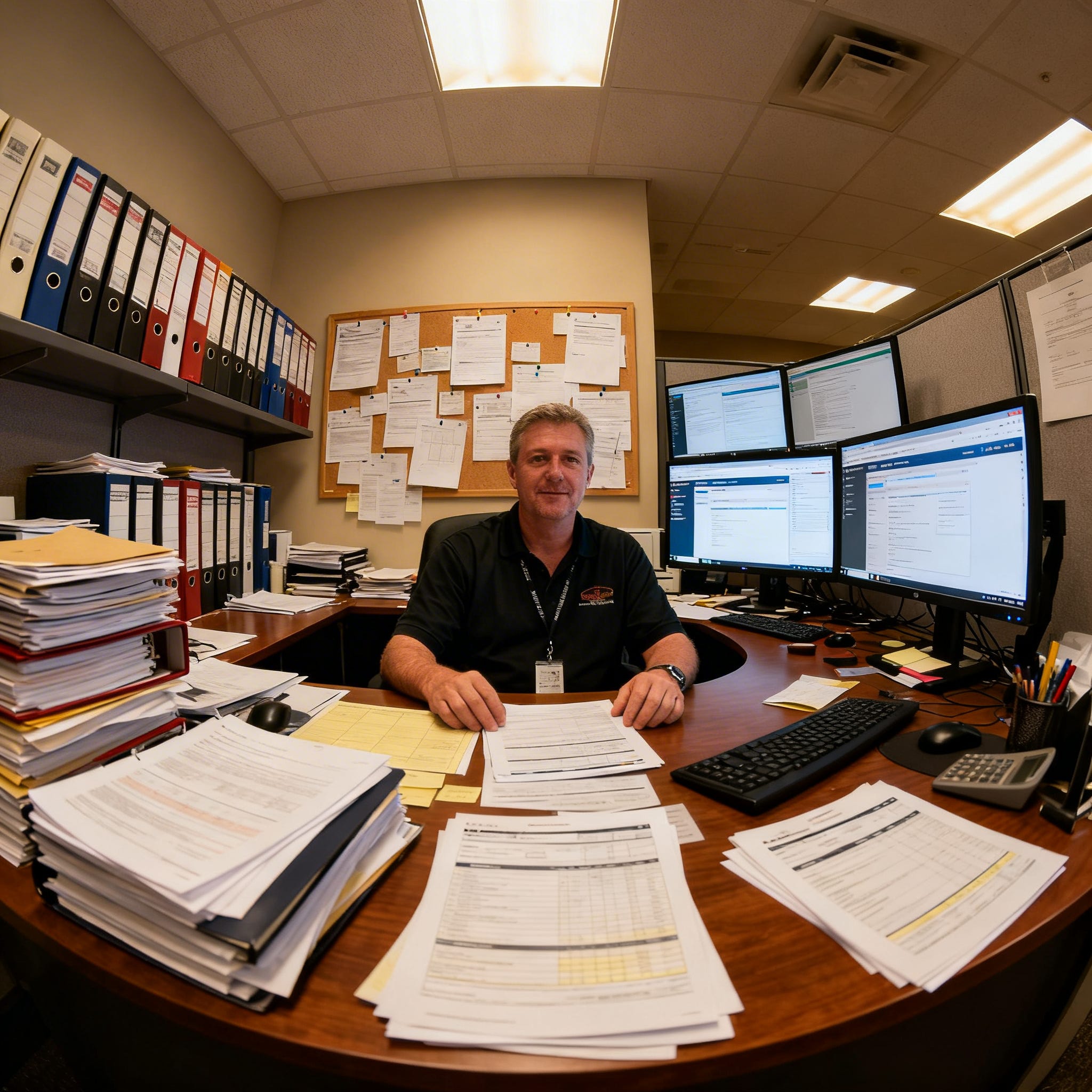
Venue operators accumulate substantial professional knowledge about their spaces over time. They know the load-in timing that works for their dock. They know exactly what their sound system can and cannot do. They know which nights of the week their market supports, how their audience responds to different genres, and what a realistic door looks like for an act at a certain draw level. They have a deep, earned intelligence about their space and their city.
And then the band walks in the door and almost none of that expertise transfers.
This is the venue disconnect that does not get discussed in the way it deserves to be. When a booking is confirmed and an act is coming in, the venue often has surprisingly little structured information about who they are actually working with. A name. An email address. A contract that lives in whatever system the venue uses for contracts, which in many cases is an email folder. A rider that may or may not match what the band is actually expecting when they show up.
What they do not typically have is a real picture of the act. Their history. Their financial relationship with the venue or with comparable rooms. Their actual draw patterns versus their projected draw. What the last settlement looked like when they played a similar market. Who their management is, what their agent relationship looks like, who the road manager is and how they prefer to handle the end of night. That information exists. It is scattered across someone's inbox and someone's memory and someone's personal spreadsheet, and it rarely makes it into any format that transfers between shows or between the people who need it.
So the venue, which is running a real business with real operational complexity, is repeatedly starting from scratch on basic professional context about the acts they are booking.
This creates friction at every stage. The advance process is harder than it needs to be because both sides are working from different documents at different points in the chain. The day-of communication is harder because there is no shared operational record. The settlement is harder because the financial history between the two parties exists only in pieces across multiple systems that were never designed to talk to each other.
And the act side has the same problem in reverse. The band rolls into a venue they have played before and the person handling settlement tonight was not there the last time, so the institutional knowledge of the previous deal is gone. The rider they submitted was passed through two people and arrived missing a section. The guest list they sent went to an email address that no longer works.
Both sides are professional. Both sides are trying to do the job well. But they are doing it without the kind of shared operational context that would make the whole thing run better.
There is a staffing dimension to this that makes everything harder. Venue staff turns over. The booking manager from two years ago is gone. The production coordinator who knew how to work with this tour left for another gig. The institutional memory that venues build up about their acts walks out the door with the people who held it. There is rarely a system underneath that retains it.
From the venue side, this is a management challenge that has no clean solution inside the tools that exist today. Venue management platforms are good at what they were designed for. Calendar management. Internal scheduling. Some degree of contract handling. But they were not designed to be the connective tissue between the venue and the acts moving through it in an ongoing, structured, retrievable way.
What that means in practice is that a venue can have fifty years of history with artists and no organized record of any of it. The relationships are real. The knowledge is real. But it lives in human memory and email archives, not in anything that transfers when people leave or that compounds over time into genuine intelligence about how the venue's business actually works.
The promoter is often the one trying to bridge this gap. The independent promoter who has a relationship with both the venue and the act is constantly translating between two parties who do not have full visibility into each other's operational context. That is a legitimate service. But it is also a systemic workaround for an information gap that should not exist in the first place.
None of this has to be the way it is. The venue has expertise. The act has expertise. The information they both need to have a professional working relationship is not secret or hard to gather. It is just scattered across formats and systems that were never designed to surface it in a shared, accessible, timely way.
What would venue operations look like if every booking came with a structured record of the act that both sides had contributed to and both sides could access? What would the advance process look like if the hospitality requirements, technical specs, and financial terms lived in the same place instead of three different email threads? What would the relationship between venues and the acts they build their programming around look like if both sides had a shared language and a shared record instead of starting from scratch every time?
The technology to do this is not complicated. The will to build it has just always pointed elsewhere.