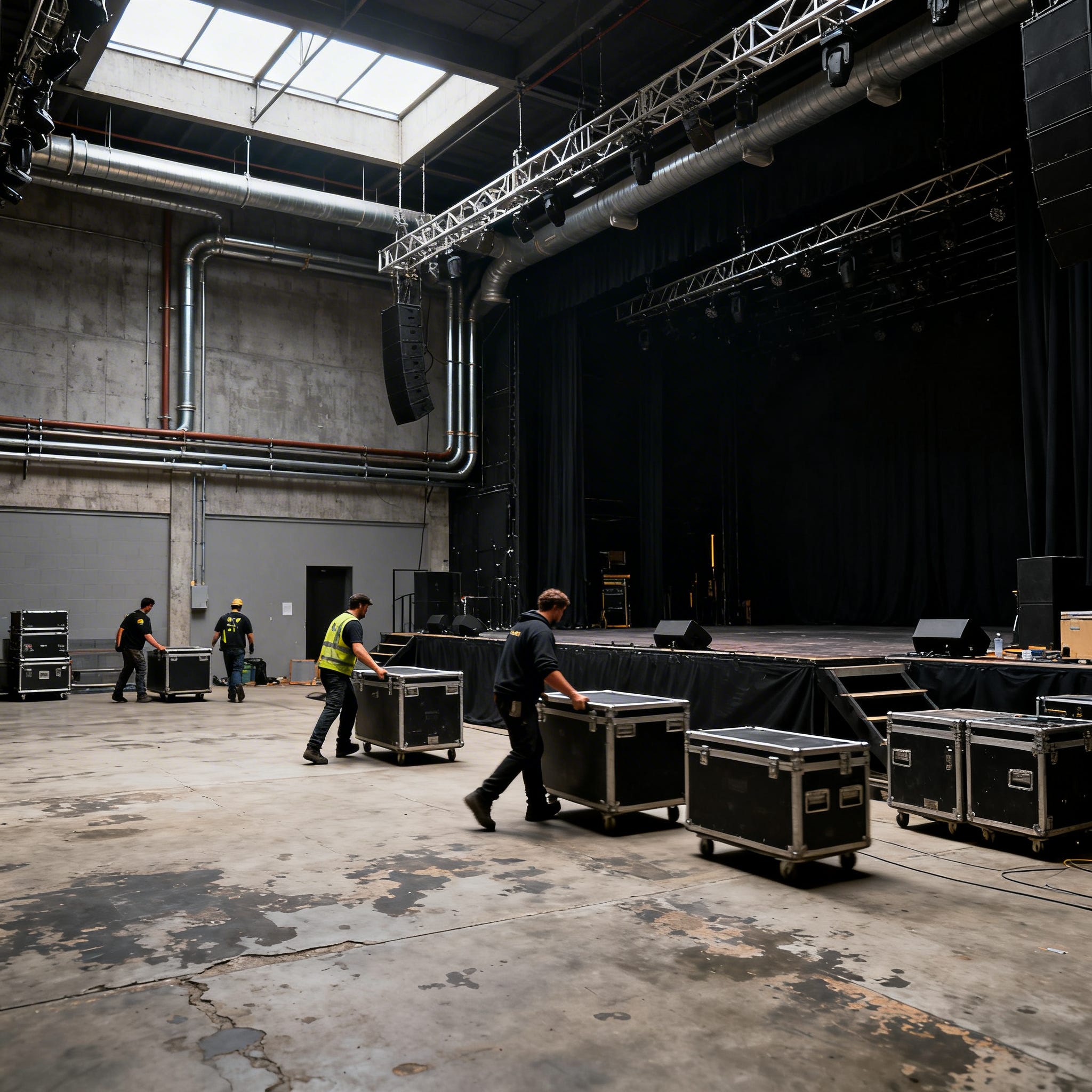
Bands Run the Show. Nobody Built Anything for Them.
Ask anyone in live music who the most important person in the room is and they will say the band without hesitating. Then ask what tools the band has to actually run their side of that business, and the silence that follows is its own kind of answer.
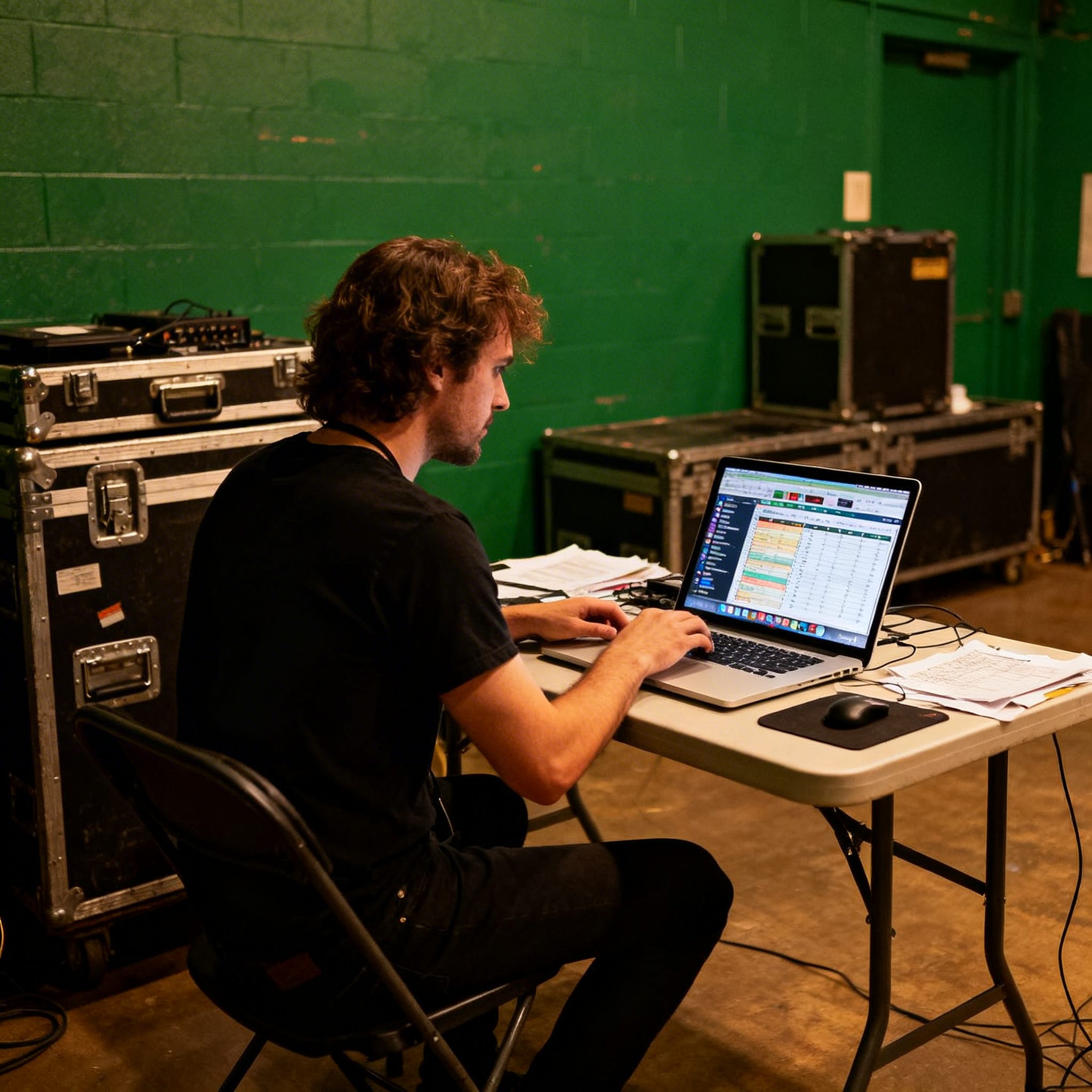
Ask anyone in live music who the most important person in the room is and they will all say the same thing without hesitating. The band. The act. The artist. The whole reason there is a room, a night, a ticket, a deal, a stage, a light rig, a settlement - any of it.
And then watch what happens when you ask what tools the band has to actually run their side of that business.
The silence that follows is its own kind of answer.
The Tools Exist. Just Not for You.
The live music industry has been building tools and systems for a long time. Booking platforms. Venue management software. Ticketing infrastructure. Analytics dashboards. Deal tracking. Contract management. There is an entire ecosystem of products designed to help the business of live music run more efficiently. That is worth acknowledging. Real money and real effort has gone into solving real problems.
But almost none of it was built for the band.
The products that exist in this space were built for venues. For promoters. For large-scale booking operations managing high volumes of transactions. They were designed for the businesses with IT departments and subscription budgets and staff whose whole job is to make the software work. They were designed for the side of the table that had resources and leverage. That is not a moral failure. That is just where the money pointed.
The band, in almost every case, is an afterthought.
A Real Business. Lemonade Stand Tools.
Think about what a working band is actually managing on any given week. Offer negotiations across multiple markets. Contracts in various stages of execution. Advances that may or may not show up on time. Rider compliance that varies wildly from room to room. Settlement documents that arrive in whatever format the venue prefers, which means a different format every time. Financial history scattered across email threads, tour manager spreadsheets, and memory. Relationships with dozens of venues, agents, and promoters that exist entirely in someone's personal contact list.
This is a real business operation. It has cash flow, receivables, contracts, compliance requirements, and financial exposure. It requires professional management to do properly. And the people running it are doing so with the kinds of tools you would expect a kid running a lemonade stand to use.
The Most at Risk, the Least Supported
The irony is that the band is also the most financially vulnerable party in any live music deal. A venue that has a bad night has other nights. A promoter who takes a loss on a show has other shows. The band that plays a venue and gets underpaid, or plays a show where the door money mysteriously came up short, or agrees to a deal and later cannot verify a single line of the settlement - that band may have spent everything they have getting to that night. The risk is not evenly distributed. The tools have never reflected that asymmetry.
There is another layer here that does not get talked about enough. When bands do not have access to their own financial history in a structured, retrievable format, they lose negotiating power. Every deal gets made in a vacuum because there is no clean record of what deals looked like before. Did this market come in under guarantee last time? What did the venue do on a Saturday versus a Thursday? What does a fair split look like for a room this size at this capacity? These are not unanswerable questions. But without a consistent record, the band has to rely on memory and trust instead of data. The other side of the table does not have that problem.
None of this is hidden. Talk to any road manager who has been doing this for more than five years and they will describe some version of this same picture. The patchwork. The workarounds. The version of professional management they have built out of spreadsheets and grit because nobody came along and built them something better.
So Why Has Nobody Built It?
The question that keeps coming up, and keeps not getting answered, is why. Why has an industry that genuinely runs on the output and appeal of artists never built infrastructure for the artist? Why does the person who generates the demand have the least support in managing the business around that demand?
Some of it is capital. The people building products in this space went where the enterprise money was. Venues and promoters and ticketing platforms have budget in a way that a band on its third national tour often does not. Building for bands is harder to monetize in the conventional sense, which means it is easier to skip.
Some of it is perception. There is a long and stubborn belief in this industry that artists should focus on the art and let others handle the business. That belief has been very convenient for everyone except the artist.
And some of it is the absence of anyone who looked at the problem from the band's side first and built accordingly.
The tools that exist were built around existing power structures. The band in that structure has always been the product, not the customer. That framing shapes everything.
What would change if that framing got flipped? What would this industry look like if someone built the infrastructure starting with what the band needs to run a sustainable, financially transparent touring operation? And then built out from there to everyone else in the chain?
The technology is not the hard part. The hard part is deciding who you are building for.