The Show Is Happening. Nobody Is on the Same Page.
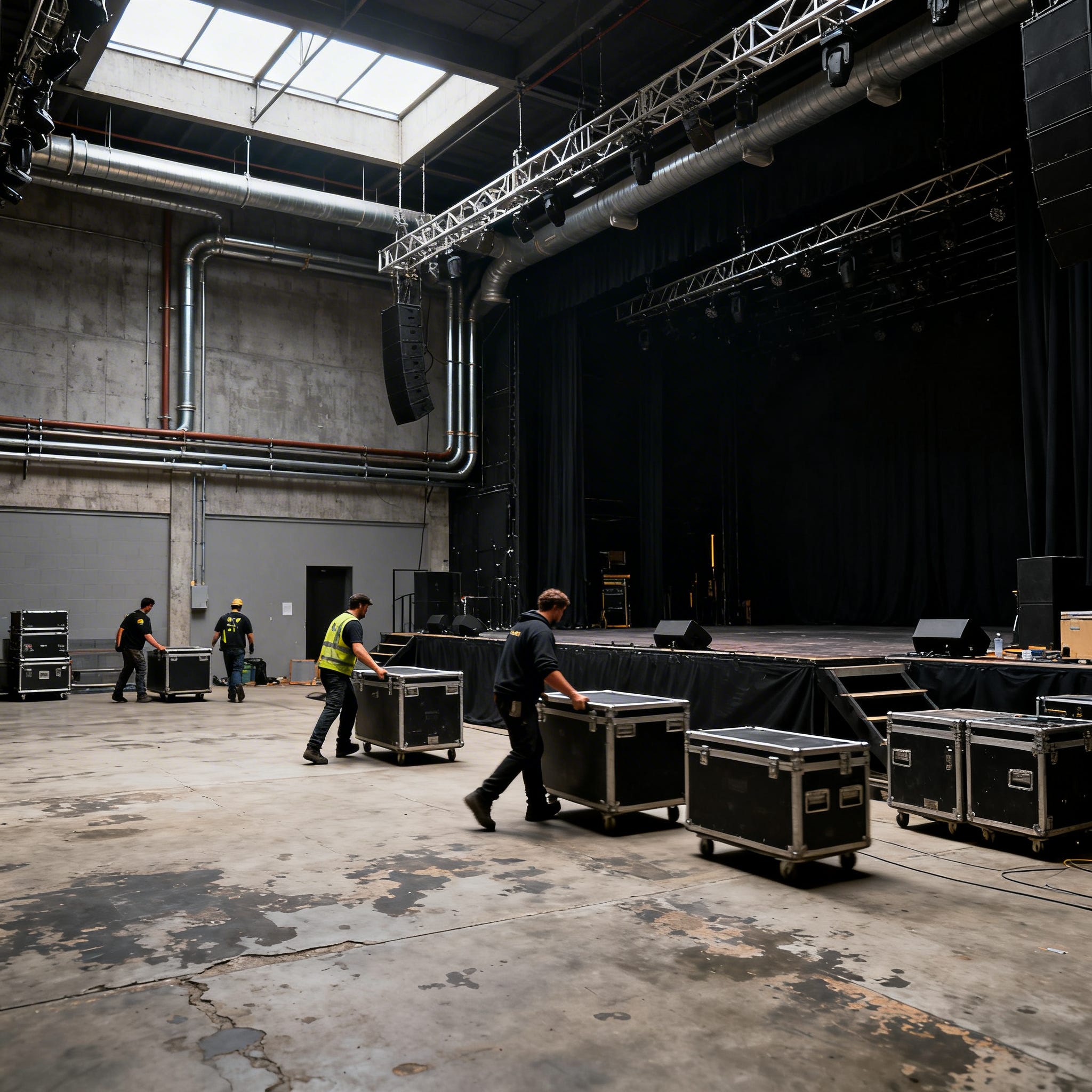
There is a specific kind of chaos that lives backstage at a live music event - not the good kind. Six different people trying to run the same night from six completely separate playbooks, with no shared source of truth.
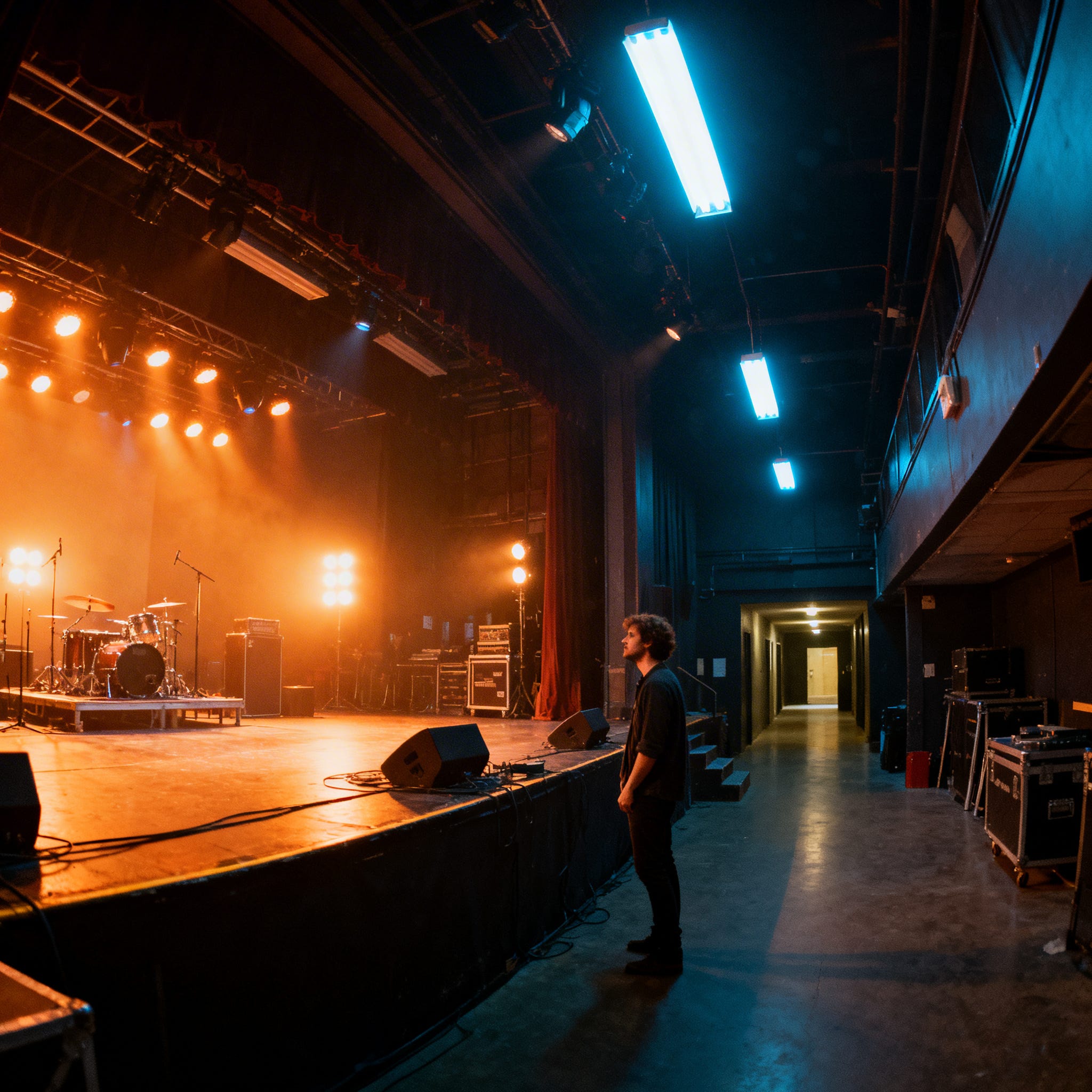
There is a specific kind of chaos that lives backstage at a live music event. Not the good kind of chaos. Not the electric, anything-can-happen energy that makes live music worth caring about. The other kind. The kind that has nothing to do with the music and everything to do with the fact that six different people are trying to run the same night from six completely separate playbooks, and nobody thought to make sure those playbooks matched.
You have seen this night. Maybe you have worked this night. The band pulls into the load-in bay at a time the venue had no record of. The stage manager is working off a rider from three months ago that the band updated two weeks ago and nobody forwarded it. The settlement sheet at the end of the night is built from a door count that two people tracked differently. The promoter is on the phone with a ticket platform trying to reconcile a number. The venue's bar manager is trying to figure out if the hospitality agreement they were handed covers what the band is actually asking for. Everyone is doing their job. Nobody is working from the same source of truth.
This is not a story about incompetent people. The people working live music events are some of the most competent, fast-thinking, under-appreciated professionals in any industry. They make hard calls in real time, in loud rooms, under pressure, for pay that rarely reflects what the job actually demands. They are not the problem.
The problem is structural. It has always been structural.
A live music event is a coordination problem. It requires the band, the venue, the promoter, the production team, the booking agent, and sometimes a handful of other parties to all operate in alignment on the same set of facts. What the deal says. What the rider requires. Who is responsible for what. What the actual numbers are when the night ends. When all of that lines up, the event runs. When it does not, somebody eats the cost, and it is rarely the person with the most power at the table.
The live music industry has been solving this coordination problem the same way for decades. Phone calls. Email chains. PDFs sent through three layers of forwarding. Spreadsheets that live on someone's personal laptop. Paper contracts stored in a filing cabinet that nobody has looked at since it was signed. These are not technology failures. They are habits built over generations in an industry that never had the infrastructure to do it differently.
But here is what that actually costs.
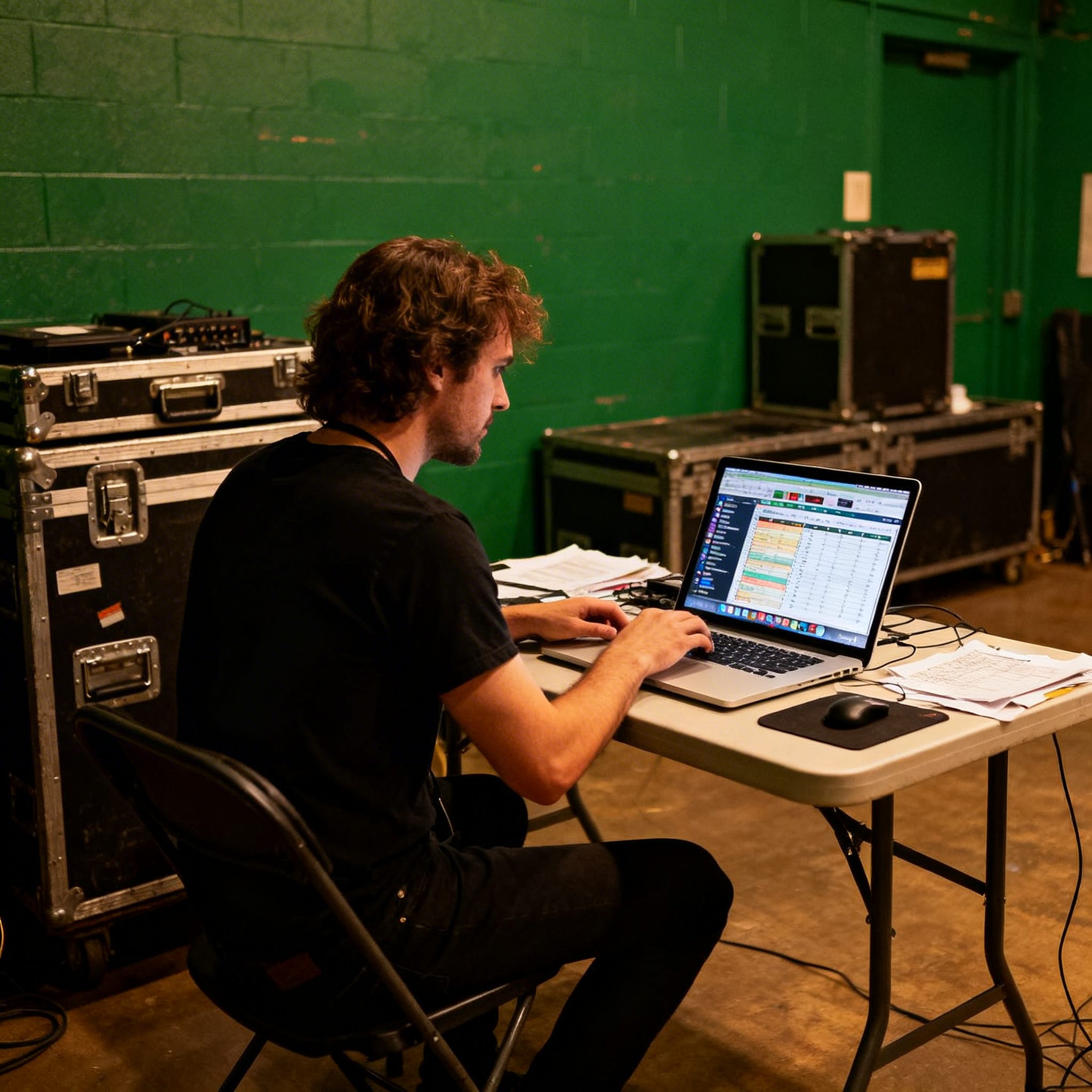
When the band does not have the same version of the deal as the venue, someone disputes the settlement. When the promoter is working off a different ticket count than the box office, trust breaks down. When the production notes are scattered across someone's email and someone else's text messages and a Google Doc nobody has edit access to, the night gets harder than it needs to be. These are not rare edge cases. These are Tuesday nights across tens of thousands of venues in this country every single week.
Live music is a relationship business. The relationships are real and they matter. The agent who has worked with a venue for fifteen years, the promoter who has built a scene in a city over a decade, the band that keeps coming back to a room because the staff treats them like professionals. Those relationships carry a lot of weight. They paper over a lot of gaps. But they cannot paper over the fact that there is no shared infrastructure holding any of it together.
Other industries figured this out. Not perfectly. Not without friction. But the construction industry has project management. Healthcare has systems that let multiple providers access the same patient record. Hospitality has booking platforms that every party in the chain can see. Live music, an industry that generates tens of billions of dollars a year and employs more people than most sectors anyone bothers to track, is still running on trust and inboxes.
At some point, the question stops being why is this so hard and starts being why has nobody built the thing that makes it easier. Not easier for one side of the table. Easier for everyone in the room. The band. The venue. The promoter. The agent. The people running the door and the people running the stage. All of them operating from the same information at the same time, with nobody having to chase a reply or guess at a number.
That gap is real. The industry knows it. The people working in it feel it every single night.
The question is what happens when someone actually decides to close it.