We Love Live Music. We Just Never Learned How to Run It.
Venue owners, promoters, and agents doing this work are not bad at business. They are operating inside a system built on email threads, PDF attachments, and tribal knowledge - and that system was never designed to scale.
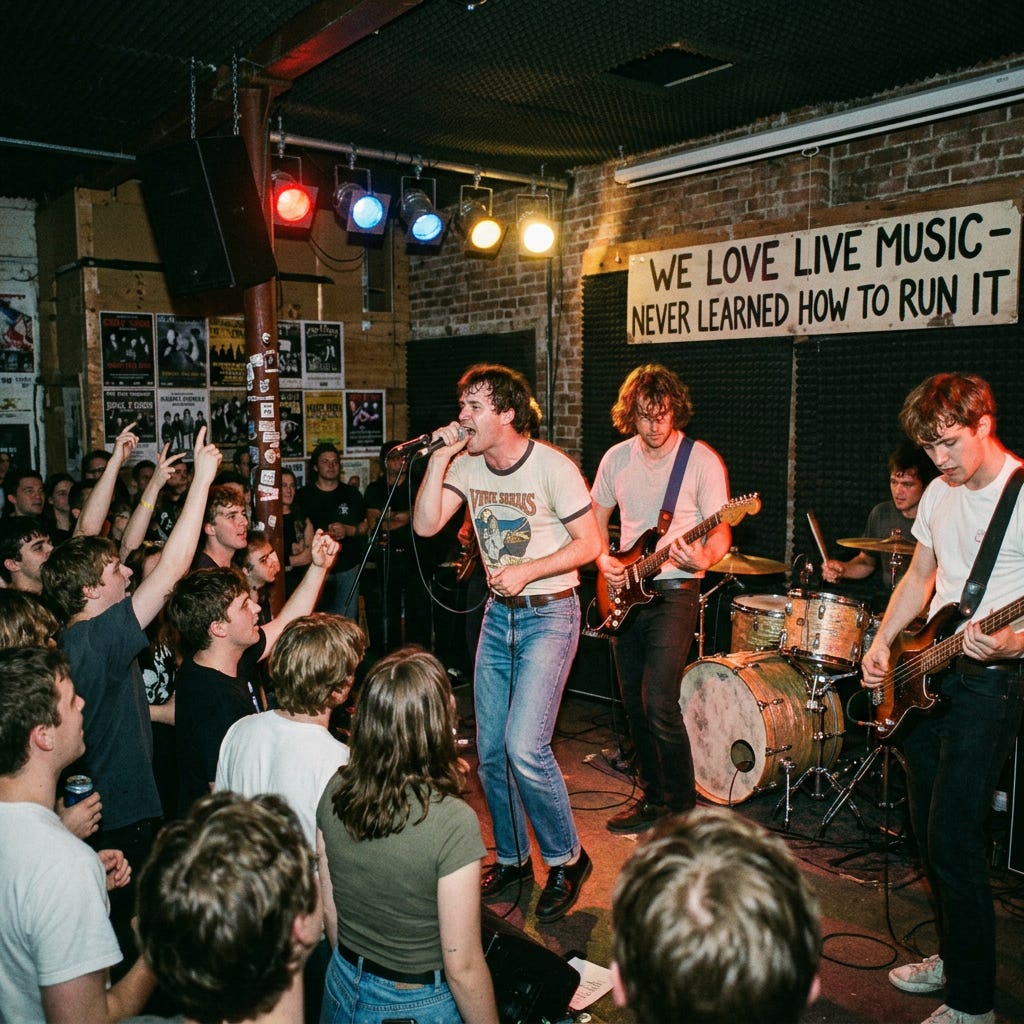
There is a version of this industry where people who dedicate their lives to live music actually get to build sustainable careers out of it. Where the venue that has been the heartbeat of its city for 15 years does not have to close because the math stopped working. Where the promoter who has been hustling shows into existence for two decades actually knows, on any given Tuesday, where they stand financially.
That version of this industry is possible. We are just not there yet.
I have spent a long time around live music. Long enough to see how much passion and talent exists in this space, and long enough to understand how little of the business infrastructure matches the size of that passion. The people doing this work are not unsophisticated. They are not bad at business. They are operating inside a system that was never really designed to be a system at all.
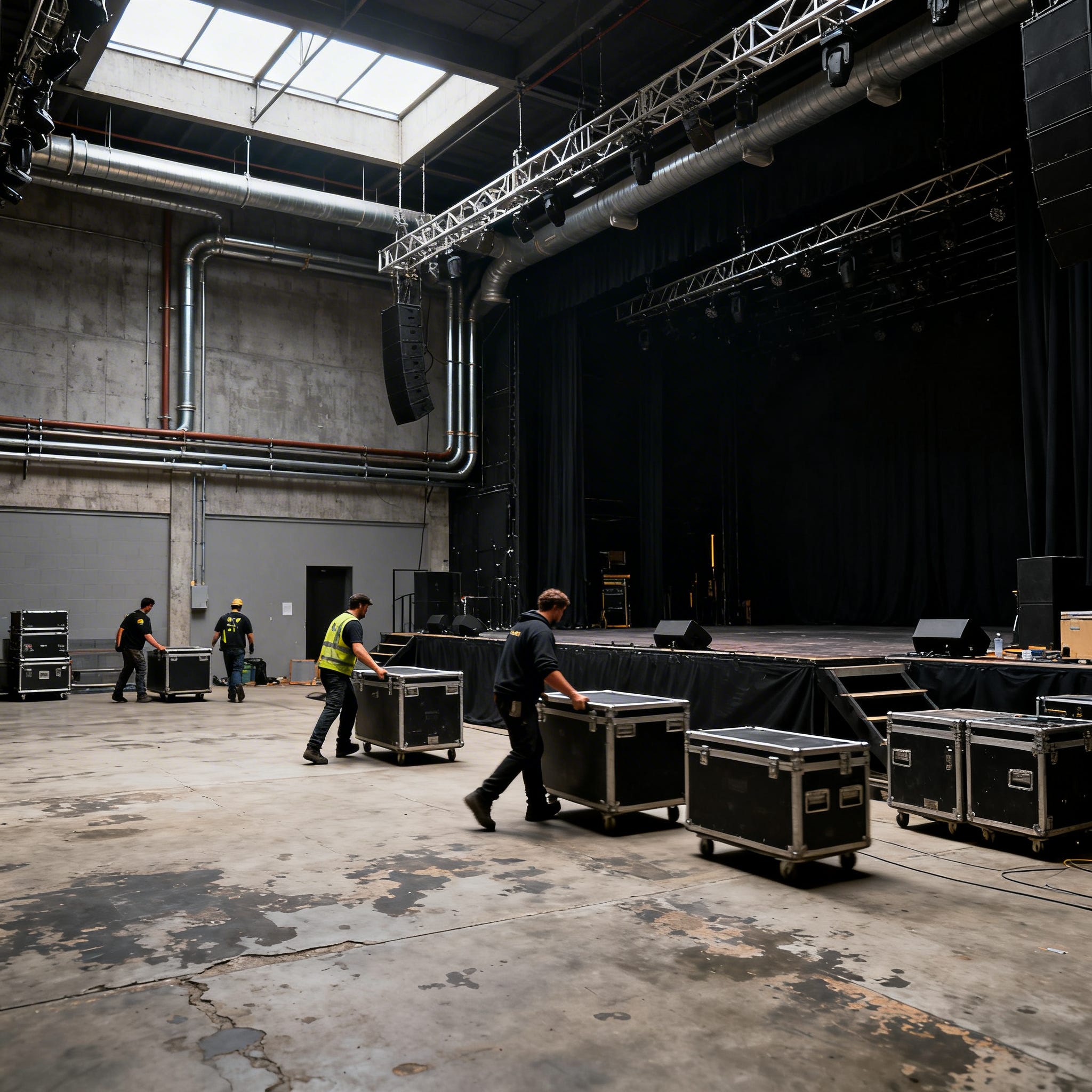
Think about how a show actually comes together. An agent makes a call. A venue responds. Terms get talked through. Maybe an email chain starts. Maybe a contract gets sent, maybe it gets signed, maybe it does not get returned for two weeks and someone has to follow up three times. A deposit has to happen. Then a hold becomes a confirm. Then advance starts. Then the show happens. Then someone, somewhere, has to figure out what everyone is actually owed.
That whole process - from first contact to final settlement - runs on a combination of email threads, PDF attachments, spreadsheet tabs, and the tribal knowledge living in the heads of the people running it. There is no single place where the deal lives. There is no system that connects the offer to the contract to the settlement. There is no audit trail that anyone can pull up on a Monday morning and actually trust.
And somehow, nobody seems to find this strange anymore. It is just how it works.
But here is what I keep coming back to: every other industry that handles contracts, financial agreements, and multi-party transactions at this scale figured this out years ago. Real estate has dedicated closing systems. Legal has case management tools built around document integrity. Healthcare has billing infrastructure that nobody loves but at least exists. Construction has project management platforms that track who owes what down to the line item.
Live music has someone's inbox and a prayer.
I am not saying that with contempt. I am saying it because I think the people who run this industry deserve better, and I think most of them already know they deserve better. They have just accepted the chaos because nothing has ever shown up to replace it.
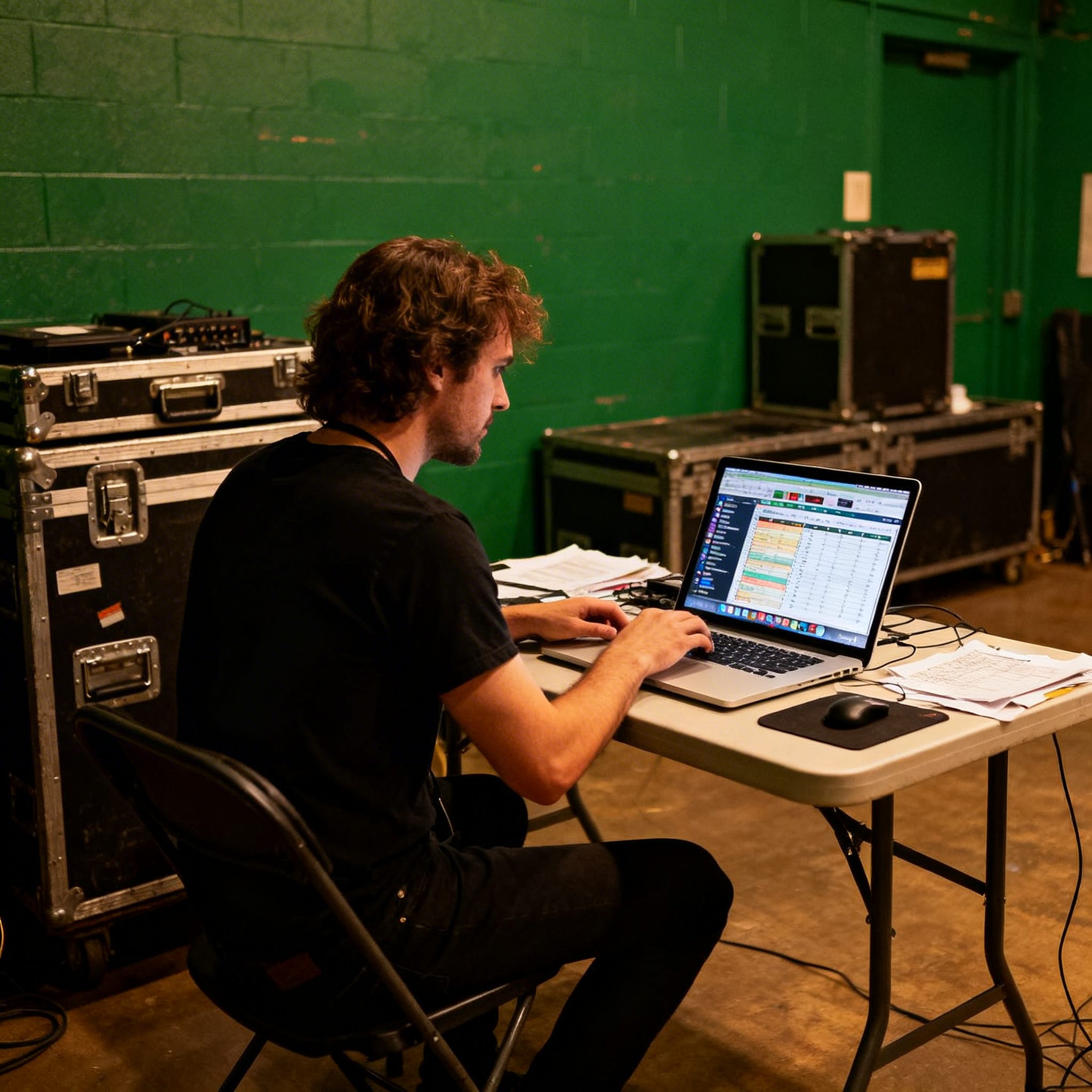
The venue owner working on three monitors, switching between a spreadsheet, their email, and a contract template they built themselves three years ago and have been living with ever since. The promoter who has to reconstruct the paper trail on a show that happened eight weeks ago because someone is disputing a number. The agent who manages 15 artists and keeps the critical details of every active deal inside their own head because there is nowhere reliable to put it.
These are not small businesses failing at business. These are smart, experienced professionals operating in an industry that has never given them the infrastructure to do the job any differently.
The question I keep asking is: why not?
Why, in 2026, does one of the most culturally significant industries on the planet still run its core business operations on tools that were not built for it? Why does a $30 billion industry move money the way it does? Why is the settlement process still something that happens through a combination of trust, tension, and luck?
I do not think the people in this industry are waiting for a Silicon Valley company to come in and reinvent everything they know. I think they are waiting for something that actually understands how a show works. Something built by people who have been in the room. Something that respects the way this business operates instead of trying to replace it with something unrecognizable.
Live music is not a niche. It is an industry. And industries need infrastructure.
The passion has always been here. The talent has always been here. The infrastructure is the part that is long overdue.